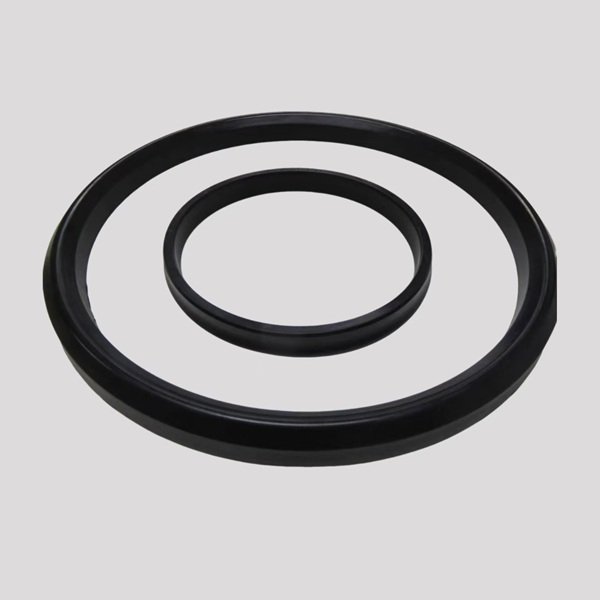
Item No. RG-015.
Every hydraulic or pneumatic cylinder has an exposed rod. Each stroke pulls that rod back inside — and whatever is clinging to it comes along. Dust, grit, mud, metal particles, moisture. Once inside, these contaminants grind against the primary seal, score the rod surface, and shorten cylinder life dramatically.
A rubber dust wiper seal sits at the rod entry point and scrapes the rod clean on every retraction. The wiping lip contacts the rod with controlled pressure, removing contaminants before they can enter the cylinder. The job sounds simple. Doing it reliably for millions of strokes, across temperature swings, chemical exposure, and repeated maintenance cycles, is where material selection and lip geometry matter. That is the part we focus on. Qingdao Todo Rubber specializes in manufacturing rubber molded parts, with customization as our core strength — producing to customer drawings or physical samples.
Wiping lip geometry – controlled contact pressure for effective scraping
Material options – NBR, EPDM, FKM, silicone, and polyurethane (PU)
PU option for high abrasion – polyurethane wipers resist grit and metal particles
Metal insert available – for rigid mounting and dimensional stability
Rod diameter range – standard metric and inch sizes, custom to drawing
Low friction design – minimizes rod wear and energy loss
Temperature stability – performs across a wide range depending on compound
Chemical resistance – grade-dependent resistance to hydraulic fluids and oils
UV & ozone resistance – suitable for outdoor and exposed cylinders
Custom profiles – single lip, double lip, and combined wiper-seal designs
Stops Contaminants at the Door – The wiping lip removes dust, grit, mud, and moisture from the rod before they enter the cylinder, protecting the primary seal from abrasive damage.
Extends Primary Seal Life – By keeping the rod clean, wiper seals dramatically reduce wear on the main rod seal, lowering maintenance frequency and downtime.
Protects Rod Surface – Low-friction lip design minimizes rod scoring and wear, preserving the surface finish that the primary seal depends on.
PU Option for High-Abrasion Service – In mining, construction, and agricultural environments, polyurethane wipers resist grit and metal particles far better than rubber compounds.
Hydraulic cylinders – excavators, loaders, cranes, and industrial presses
Pneumatic cylinders – automation equipment, packaging machinery, and actuators
Agricultural machinery – tractor hydraulics, implement cylinders, sprayer rams
Mining equipment – drill rigs, crushers, and heavy-duty cylinders
Construction equipment – excavators, bulldozers, and concrete pumps
Marine and offshore – deck machinery, steering cylinders, and hatch actuators
Material
EPDM, SBR, NR. NBR, CR, Silicone, Viton
Hardness
30 ShA – 80 ShA.
Color
OEM colors according to RAL or Pantone No.
Size
OEM sizes according to customer’s requirement.
Logo
Customized logo according to customer’s need.
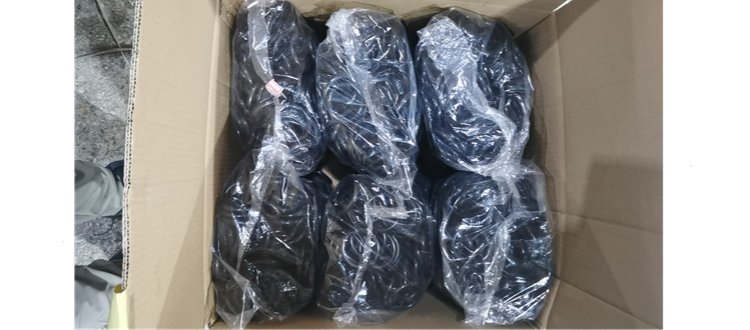
Standard: Goods are typically supplied in about 20-25kg/carton.
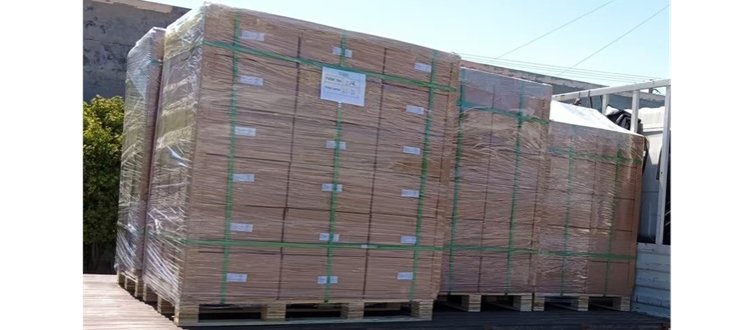
Standardized Pallets: Goods are stacked on heat-treated (ISPM 15) or plastic pallets, optimized for forklift handling. Rigid Corner Protectors: High-impact cardboard corner guards are applied to the full height of the stack. This prevents the straps from cutting into the rubber and maintains the vertical integrity of the pallet.
What is the difference between a wiper seal and a rod seal?
The wiper seal sits at the rod entry point and scrapes contaminants off the rod. The rod seal sits deeper inside the cylinder and holds pressure. They perform different jobs and are usually used together.
Should I choose rubber or polyurethane for the wiper?
PU offers better abrasion resistance and is preferred for high-contamination environments like mining and construction. Rubber (NBR, FKM) offers better chemical compatibility and flexibility for general hydraulic service.
How do I know which lip profile to select?
Single-lip wipers suit clean environments. Double-lip and combined wiper-seal designs are used where both wiping and secondary sealing are needed. Share your operating conditions and we will recommend.
Can you match the rod diameter and groove dimensions of my cylinder?
Yes. Send us the rod diameter, groove dimensions, or a sample, and we will produce the wiper to match.
What temperature range can wiper seals handle?
Depending on material: NBR (-30°C to +110°C), EPDM (-50°C to +150°C), FKM (-20°C to +200°C), PU (-30°C to +90°C).
Are wiper seals suitable for high-pressure applications?
The wiper itself is not a pressure seal. It handles low-pressure wiping. Pressure containment is the job of the primary rod seal.
Can wipers be supplied with metal casings?
Yes. Metal-cased wipers are available for rigid mounting and dimensional stability.
What if the cylinder operates in a washdown environment?
Food-grade EPDM and silicone wipers are available for washdown and sanitary applications.
What is the typical lead time?
Standard profiles ship within 7–15 working days. Custom tooling typically adds 10–20 working days.
If you have any questions or needs about the product, please fill in the following form and we wll contact you as soon as possible.
PHONE: +86 0532 8769 9025
EMAIL: sales@todorubber.com
Located in Jimo
Located in Xinhe


