
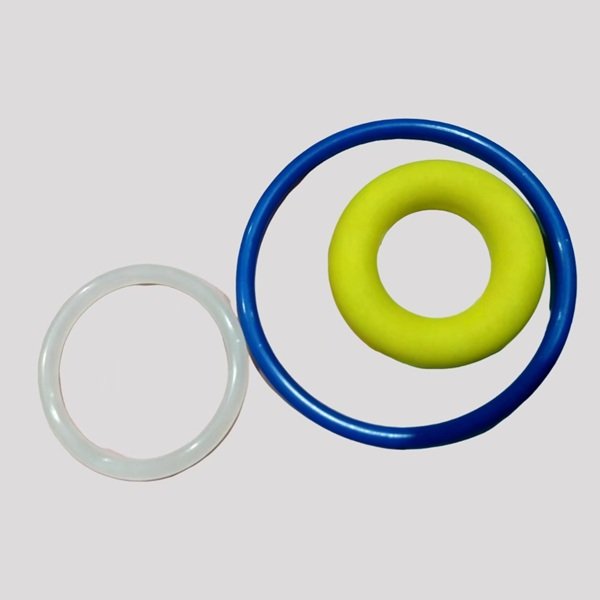
Item No. RGS-021
Rubber O-rings are essential sealing components for pipe, valve, and pump connections in a wide range of industrial systems. Precision-molded to fit neatly into grooves and glands, they create a dependable barrier against liquid and gas leakage under varying working pressure — no on-site cutting, punching, or extra sealants needed.
Made from high-quality synthetic rubber including NBR, EPDM, Neoprene CR, and FKM fluoro-rubber, these O-rings deliver consistent sealing performance across diverse media and temperatures. Their good elasticity, excellent compression-set resistance, and superior anti-aging properties allow them to compensate for minor surface irregularities in mating grooves, maintaining a tight seal over a long service life.
Consistent dimensions – every batch matches the same cross-section and ID
Wide material choice – NBR, EPDM, Neoprene CR, FKM (Viton®), and custom compounds
Long sealing life – low compression set keeps the seal working over time
Weather and age resistant – no cracking or hardening from ozone and UV
Flexible enough to seal real-world grooves – conforms to minor surface irregularities
Pressure and temperature options – matched to your specific operating conditions
Chemical resistance by grade – oils, water, and mild chemicals covered
No special tools needed – seats into standard grooves and glands
Custom sizes and compounds – made to your drawings, samples, or specifications
Reliable Leak Protection – Precision-molded O-rings compress evenly within the groove, creating a consistent, leak-tight seal against liquids and gases.
Excellent Compression-Set Resistance – Maintains sealing force over extended periods, reducing re-torquing, maintenance frequency, and unplanned downtime.
Superior Anti-Aging Performance – Resists oxidation, ozone, UV, and weathering, ensuring long service life even in harsh outdoor or industrial environments.
Plumbing & water systems – pipe joints, faucets, valves, fittings
Water treatment – pumps, filtration units, dosing equipment
Petrochemical – valves, flanges, pumps, instrumentation
General mechanical equipment – hydraulic and pneumatic components
HVAC systems – refrigerant lines, compressors, valve connections
Material
PU, Silicone, FKM.
Hardness
30 ShA – 90 ShA
Color
Black
Size
OEM sizes according to customer’s requirement.
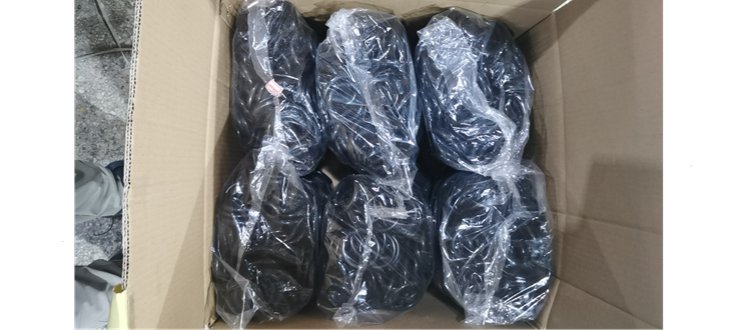
Standard: Goods are typically supplied in about 20-25kg/carton.
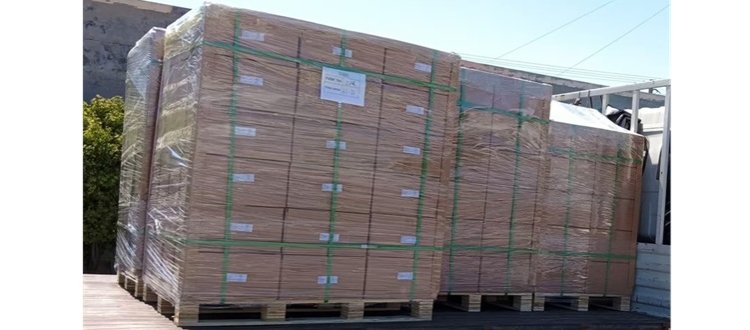
Standardized Pallets: Goods are stacked on heat-treated (ISPM 15) or plastic pallets, optimized for forklift handling. Rigid Corner Protectors: High-impact cardboard corner guards are applied to the full height of the stack. This prevents the straps from cutting into the rubber and maintains the vertical integrity of the pallet.
How do I know which O-ring size I need?
You need three dimensions: inner diameter, cross-section (thickness), and hardness. If you have a sample or drawing, send it over and we'll match it exactly.
What's the difference between metric and imperial O-rings?
The dimensions are simply expressed in different units. We produce both, so specify your standard when ordering — or send the actual measurements.
Which material works best for drinking water?
EPDM is the standard choice for potable water. It resists swelling, doesn't impart taste or odor, and holds up to chlorine and temperature cycling.
Can one O-ring handle both oil and water?
Not ideally. NBR handles oils well but degrades in hot water. EPDM handles water well but swells in oil. If your system sees both, tell us and we'll recommend a compromise compound or a different seal design.
How tight should the groove be for proper sealing?
The O-ring should compress roughly 15–25% of its cross-section when installed. Too little squeeze leaks; too much causes extrusion or cracking. Share your groove dimensions and we'll confirm.
What causes an O-ring to fail prematurely?
Usually one of four things — wrong material for the media, excessive temperature, over-compression, or groove damage. Send us the failed part and we can often identify the cause.
Are silicone O-rings better than NBR?
Not better or worse — different. Silicone handles extreme temperatures and is food-safe, but swells badly in oil. NBR handles oils and fuels but has a narrower temperature range. Match the material to the job.
Can O-rings be reused after disassembly?
Generally no. Once compressed, an O-ring takes a set and may not reseal properly. Always install a new ring after opening a joint.
What's the smallest and largest size you can produce?
We cover sizes from a few millimeters inner diameter up to several hundred millimeters, depending on cross-section and material. Contact us for specific limits.
Do you offer O-rings for high-vacuum applications?
Yes. FKM and silicone compounds are commonly used for vacuum service. Tell us your vacuum level and we'll recommend a suitable grade.
How do I store O-rings before use?
Keep them away from direct sunlight, ozone sources (like electric motors), and extreme heat. Store flat, in sealed bags, at moderate temperature and humidity.
If you have any questions or needs about the product, please fill in the following form and we wll contact you as soon as possible.
PHONE: +86 0532 8769 9025
EMAIL: sales@todorubber.com
Located in Jimo
Located in Xinhe


