
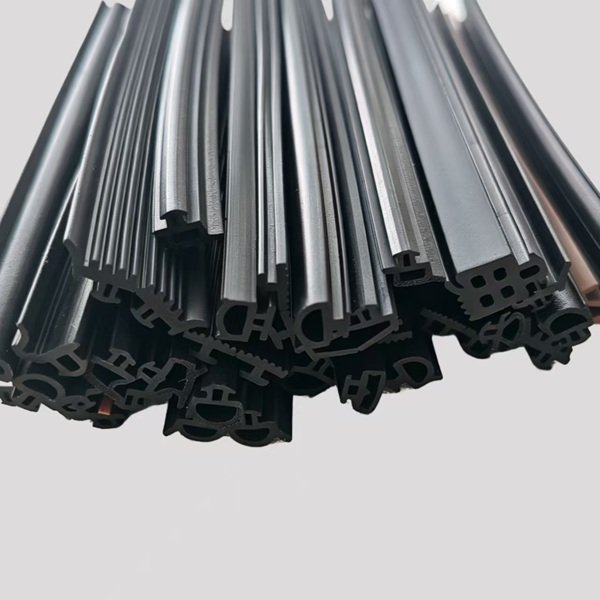
Item No. PE-008
Thermoplastic Polyurethane (TPU) Extrusion Profiles represent the pinnacle of high-performance polymer engineering. Produced through a precision continuous extrusion process, these profiles bridge the gap between flexible rubbers and rigid plastics. By leveraging the molecular versatility of TPU, these components offer a unique combination of elasticity, transparency, and mechanical integrity that traditional materials like PVC or EPDM cannot match. Unlike other materials, TPU can be extruded in a vast range of hardness levels, from 60 Shore A (soft and rubber-like) to 85 Shore D (rigid and semi-structural), allowing for a single material type to be used across multiple functional components.
Wide hardness range – 60 Shore A to 85 Shore D, from soft rubber-like to rigid structural
Exceptional abrasion resistance – significantly outperforms most thermoplastics in high-friction environments
High tensile & tear strength – withstands repetitive mechanical stress without failure
Excellent elastic recovery – returns to original shape after stretching and compression
Outstanding chemical resistance – resists oils, greases, fuels, and many solvents
Transparency options – optically clear grades available for visibility applications
Weather & UV resistant – suitable for indoor and outdoor use (UV-stabilized grades)
Precision extrusion – continuous lengths with consistent cross-section and tight tolerances
Superior Durability – Outstanding abrasion and tear resistance ensure long service life even in the most demanding, high-friction environments, reducing replacement frequency and maintenance costs.
Single-Material Versatility – With a hardness range from 60 Shore A to 85 Shore D, TPU eliminates the need for multiple material types across different components, simplifying supply chains and reducing inventory complexity.
Excellent Elastic Memory – TPU profiles return to their original shape after stretching, compression, or bending, e
nsuring reliable sealing and cushioning performance over extended periods.
Automotive industry – interior and exterior trim, sealing profiles, hose covers, grommets
Industrial machinery – conveyor belt profiles, machine guards, wear strips, bumpers
Medical devices – tubing, catheter components, surgical instrument grips
Aerospace – cabin sealing, cable protection, lightweight structural profiles
Material
TPU
Hardness
60 Shore A to 85 Shore D.
Color
Black mostly, OEM colors are available
Application
Automotive, Industrial, Construction, Consumer Goods, Medical.
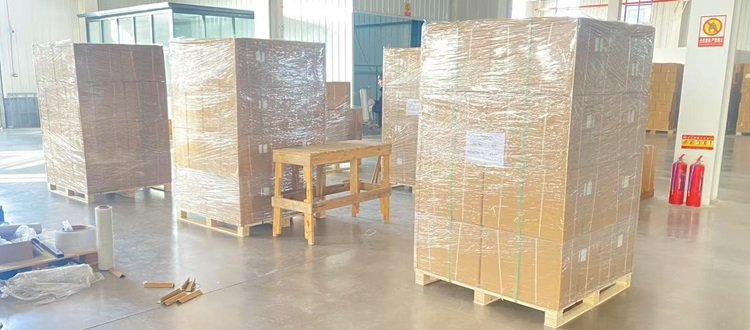
Standardized Pallets: Goods are stacked on heat-treated (ISPM 15) or plastic pallets, optimized for forklift handling. Rigid Corner Protectors: High-impact cardboard corner guards are applied to the full height of the stack. This prevents the straps from cutting into the rubber and maintains the vertical integrity of the pallet.
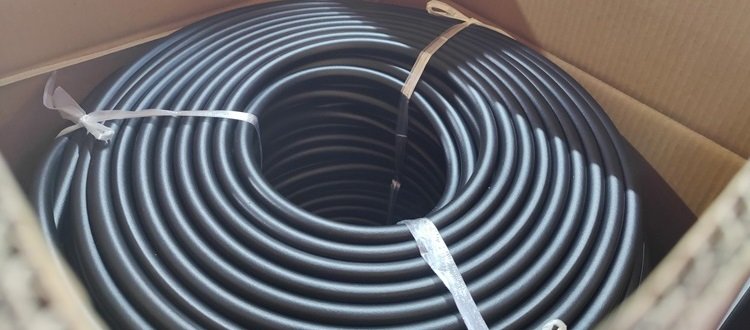
Standard Rolls: Goods are typically supplied in 50m or 100m continuous rolls, precision-coiled to maintain the profile’s structural shape.
What is the difference between TPU and traditional rubber profiles?
TPU combines the flexibility of rubber with the mechanical strength and abrasion resistance of rigid plastics. It offers higher tear strength, better elastic recovery, and broader hardness options than most conventional rubbers.
What hardness range is available for TPU profiles?
We offer TPU profiles from 60 Shore A (soft, rubber-like) to 85 Shore D (rigid, semi-structural) to suit a wide range of applications.
Is TPU resistant to oils and chemicals?
Yes. TPU offers excellent resistance to oils, greases, fuels, and many industrial solvents, making it ideal for automotive and industrial environments.
Can TPU profiles be transparent?
Yes. Optically clear TPU grades are available for applications requiring visibility, such as medical tubing and sight windows.
What is the temperature range for TPU profiles?
Standard TPU performs from -40°C to +120°C. Extended temperature and high-heat grades are available upon request.
Are TPU profiles suitable for outdoor use?
Yes. UV-stabilized TPU grades are available for outdoor applications, resisting sunlight, moisture, and weather exposure.
How does TPU compare to PVC or EPDM?
TPU offers superior abrasion and tear resistance, higher elastic recovery, broader hardness range, and better performance in demanding mechanical applications compared to PVC and EPDM.
Do you offer custom profile shapes?
Absolutely. We produce TPU profiles to your technical drawings or physical samples – any cross-section, size, hardness, and color.
If you have any questions or needs about the product, please fill in the following form and we wll contact you as soon as possible.
PHONE: +86 0532 8769 9025
EMAIL: sales@todorubber.com
Located in Jimo
Located in Xinhe


