
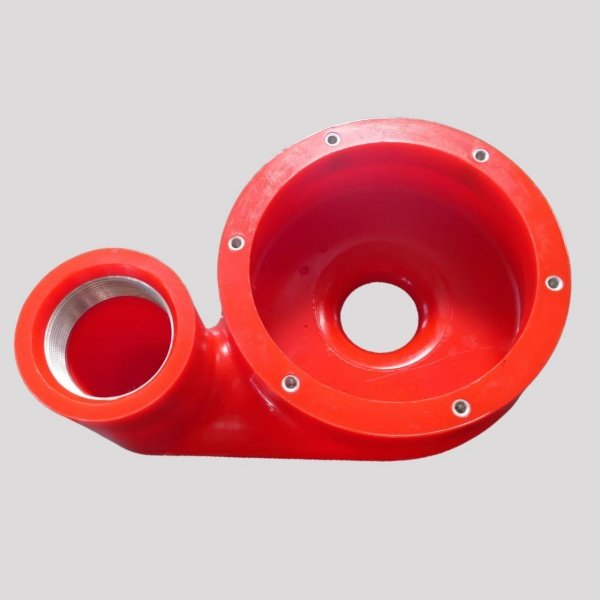
Item No. PP-008
This part is an integral polyurethane component with embedded metal inserts.
The outer matrix is made of polyurethane (PU), which delivers excellent wear resistance, erosion resistance and corrosion resistance. Metal inserts (threaded metal sleeve) are embedded in the bore of the branch pipe to reinforce the threaded joint. This prevents thread slipping and abrasion of pure polyurethane under load, combining the wear-resistant flexible body with high-strength metal connection structure.
Excellent abrasion & erosion resistance
Polyurethane material has much better wear resistance than rubber. It can withstand scouring of solid particles, ideal for slurry and particle-laden fluid service, extending service life.
High connection strength with embedded metal inserts
The metal threaded bushing is pre-embedded during casting. The metal thread bears assembly torque, preventing thread slipping and cracking of pure polyurethane. The metal insert bonds firmly with PU matrix, resisting loosening under vibration.
Good chemical & corrosion resistance
Resistant to weak acid, weak alkali, oil and slurry media. It will not rust like metal volutes when handling corrosive fluids.
Smooth inner cavity for higher hydraulic efficiency
Smooth volute surface reduces flow resistance and material adhesion, lowering energy consumption and improving pump efficiency.
Vibration damping & noise reduction
Polyurethane elastomer absorbs vibration and cuts operating noise, mitigating impact on the whole equipment.
Light weight
Lighter than cast iron or metal pump casing, easy for installation and maintenance.
High toughness
Combines hardness and elasticity. It resists brittle fracture under impact, unlike cast iron.
This polyurethane volute with embedded metal inserts (hydrocyclone shell / slurry pump casing) is designed for slurry services with solid particles and abrasive erosion:
Mining & Mineral Processing Ore pulp classification, desliming, concentration and tailings dewatering for iron ore, gold ore, copper ore and quartz sand. The PU material resists particle scouring, while embedded metal threads maintain reliable connection under repeated assembly torque.
Coal Preparation Coal slime water classification, fine coal recovery and tailings concentration in coal washing plants. Anti-abrasion and anti-scaling performance for coal particle slurry.
Power Plant Flue Gas Desulfurization Gypsum slurry transportation and cyclone separation in thermal power plants. Works in mildly corrosive media with gypsum particles, replacing cast iron to avoid rust and wear.
Sand & Non-metallic Minerals Processing Wet classification and fine sand recovery for manufactured sand, quartz sand, feldspar. Withstands continuous erosion from hard sand grains.
Environmental Protection & Sludge Treatment Sludge thickening in wastewater plants, river dredging mud treatment and solid-liquid separation for silt-laden water.
Oil & Gas Drilling Drilling mud purification, sand and cuttings removal to separate rock particles from mud.
Chemical & Light Industry Wet separation of weakly corrosive slurry and powder materials, such as ceramic raw materials and coating fillers.
Material
Polyurethane (PU)
Features
Wear resistant, abrasion resistant, tear resistant, high load capacity, oil resistant, vibration damping
Hardness
Custom Shore hardness available
Application
Automotive, general machinery, industrial equipment, specialty machinery
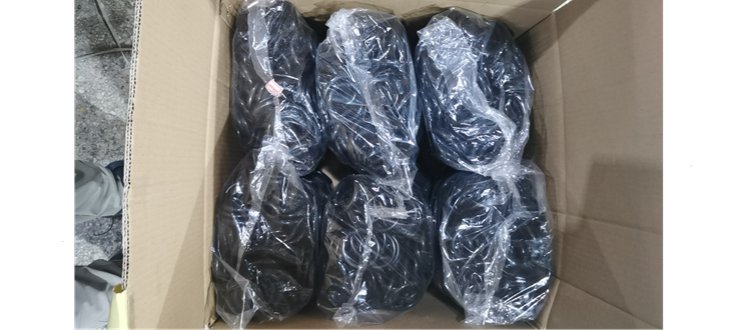
Standard: Goods are typically supplied in about 20-25kg/carton.
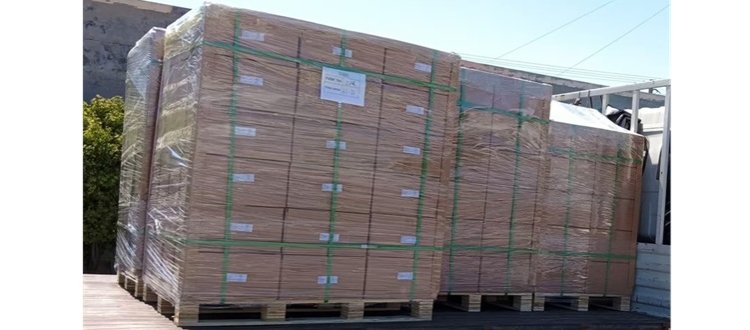
Standardized Pallets: Goods are stacked on heat-treated (ISPM 15) or plastic pallets, optimized for forklift handling. Rigid Corner Protectors: High-impact cardboard corner guards are applied to the full height of the stack. This prevents the straps from cutting into the rubber and maintains the vertical integrity of the pallet.
What exactly are PU parts?
Components cast from polyurethane — a material that flexes like rubber but delivers far higher stiffness, wear resistance, and load capacity. Common forms include bushings, rollers, pads, and custom profiles.
How do PU parts compare to rubber parts?
PU is stiffer, far more wear-resistant, and handles heavier loads. Rubber is softer and better at isolating high-frequency vibration. For high-load, high-friction work, PU wins.
What hardness can you produce?
From 60 Shore A (flexible) to 60 Shore D (rigid). We tune hardness to match your load, vibration, and wear requirements.
What forms do you manufacture?
Bushings, rollers, pads, sleeves, and fully custom profiles — all cast to your specifications.
Can PU parts handle vehicle suspension duties?
Yes. They are widely used in control arms, tie rods, and rocker arms, delivering sharper handling and longer life than rubber.
Will PU parts make my equipment noisier?
PU transmits slightly more high-frequency vibration than soft rubber, but damps impact and low-frequency vibration well. Hardness choice balances control against comfort.
Are they resistant to oils and chemicals?
Yes. PU resists oils, greases, and many industrial solvents — outperforming natural rubber in contaminated environments.
Do you offer bonded metal inserts?
Yes. Steel, stainless steel, or aluminum inserts are available for secure mounting and precise fitment.
Can you make custom sizes and shapes?
Absolutely. We cast to your drawings or samples — any size, shape, hardness, and color. OEM orders welcome.
How long do PU parts last?
With correct material selection, typically 2 to 5 times longer than equivalent rubber parts in high-wear service.
If you have any questions or needs about the product, please fill in the following form and we wll contact you as soon as possible.
PHONE: +86 0532 8769 9025
EMAIL: sales@todorubber.com
Located in Jimo
Located in Xinhe


