Item No. RG-019
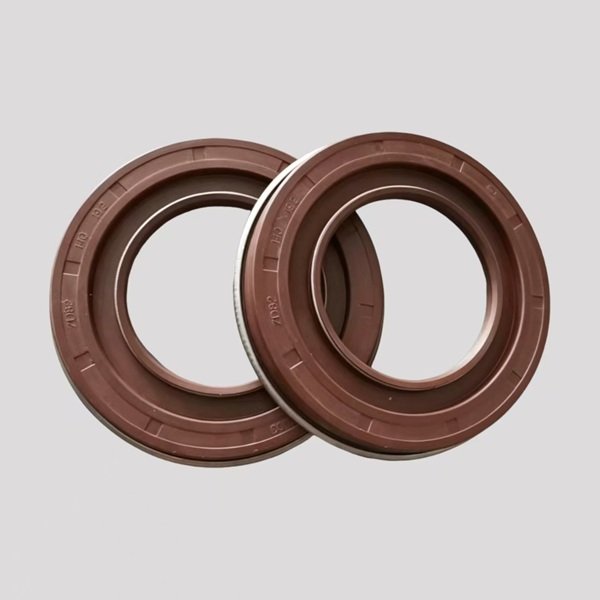
Where a rotating shaft passes through a housing, there is always a gap. Oil wants to escape through it, and dirt, water, and grit want to get in. A rubber oil seal closes that gap with a flexible lip that rides against the shaft, retaining lubricant on one side and blocking contaminants on the other.
The job sounds simple. Doing it reliably for years — across temperature swings, shaft speeds, chemical exposure, and repeated maintenance cycles — is where lip geometry, spring tension, and compound selection matter. That is the part we focus on. Qingdao Todo Rubber specializes in manufacturing rubber molded parts, with customization as our core strength — producing to customer drawings or physical samples.
Flexible sealing lip – maintains contact with the rotating shaft
Garter spring option – provides consistent radial lip pressure
Material options – NBR, FKM, silicone, EPDM, and custom compounds
Metal casing – rigid mounting and dimensional stability
Dust lip option – secondary lip excludes contaminants
Wide temperature range – material-dependent performance
Chemical resistance – grade-dependent resistance to oils, fuels, and solvents
Shaft speed capability – engineered for high and low-speed rotation
Standard and custom sizes – metric and inch dimensions available
Made to drawing or sample – any profile, material, and hardness
Retains Lubricant, Blocks Contaminants – The flexible lip keeps oil inside the housing while excluding dirt, water, and grit from bearings and gears.
Consistent Lip Contact – Garter spring and precision-molded lip geometry maintain steady radial pressure against the shaft throughout the seal's service life.
Material Matched to the Application – NBR for general oils and greases, FKM for high temperatures and aggressive fluids, silicone for extreme cold and heat, EPDM for water-based systems.
Rigid Metal Casing – Provides secure press-fit into the housing bore, maintaining alignment and preventing distortion under load.
Gearboxes and transmissions – input and output shaft sealing
Electric motors – shaft end sealing and bearing protection
Pumps – rotary shaft sealing in water, oil, and chemical pumps
Bearings and bearing housings – lubricant retention and contamination exclusion
Automotive – crankshaft, camshaft, wheel hub, and differential seals
Material
EPDM, SBR, NR. NBR, CR, Silicone, Viton
Hardness
30 ShA – 80 ShA.
Color
OEM colors according to RAL or Pantone No.
Size
OEM sizes according to customer’s requirement.
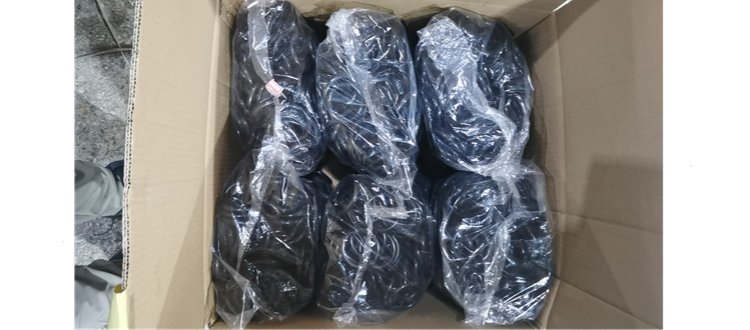
Standard: Goods are typically supplied in about 20-25kg/carton.
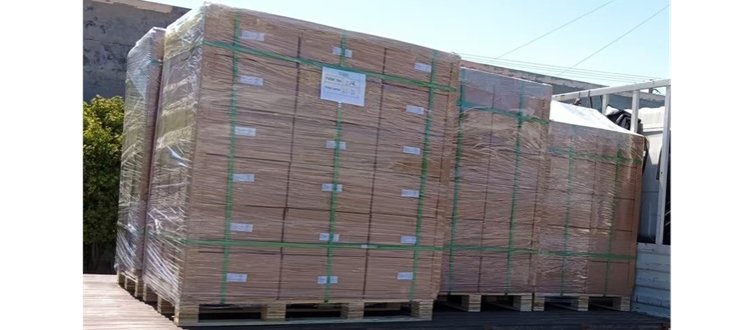
Standardized Pallets: Goods are stacked on heat-treated (ISPM 15) or plastic pallets, optimized for forklift handling. Rigid Corner Protectors: High-impact cardboard corner guards are applied to the full height of the stack. This prevents the straps from cutting into the rubber and maintains the vertical integrity of the pallet.
How do I choose between NBR and FKM for oil seals?
NBR is the standard choice for mineral oils and greases at moderate temperatures. FKM is used for higher temperatures and aggressive fluids such as synthetic oils and chemicals.
What is the purpose of the garter spring?
The spring maintains constant radial pressure on the sealing lip, compensating for wear and ensuring contact with the shaft over the seal's life.
What is a dust lip?
A secondary lip on the air side of the seal that excludes dirt, water, and other contaminants from reaching the primary sealing lip.
How do I measure for a replacement oil seal?
You need the shaft diameter, housing bore diameter, and seal width. Send these dimensions or a sample and we will match or produce the seal.
What temperature range can rubber oil seals handle?
Depending on material: NBR (-30°C to +110°C), FKM (-20°C to +230°C), Silicone (-60°C to +230°C), EPDM (-50°C to +150°C).
Are these seals suitable for high-speed shafts?
Yes, within material and lip design limits. Share your shaft speed and we will recommend a suitable compound and profile.
If you have any questions or needs about the product, please fill in the following form and we wll contact you as soon as possible.
PHONE: +86 0532 8769 9025
EMAIL: sales@todorubber.com
Located in Jimo
Located in Xinhe


