
What Is a Silicone Hose and What Is It Used For?
A silicone hose is a flexible tube manufactured from silicone rubber and designed for applications requiring excellent temperature resistance, flexibility and long-term environmental performance.
Depending on the construction, silicone hoses can be reinforced with polyester, aramid or other fabric plies to improve strength, pressure resistance and dimensional stability.
Silicone hoses are widely used in automotive, motorsport, industrial, marine, generator, laboratory and food-processing applications. They are particularly suitable for coolant, air and certain fluid transfer applications where temperature and environmental resistance are important.
What Is a Silicone Hose Made Of?
A silicone hose is primarily made from silicone rubber. For applications requiring higher pressure or improved dimensional stability, the hose can incorporate multiple reinforcement layers.
Common reinforcement materials include:
Polyester fabric
Aramid fabric
High-strength textile reinforcement
Specialised reinforcement for high-pressure applications
The construction of the hose depends on its intended use. A simple silicone tube may be suitable for low-pressure applications, while reinforced silicone hoses are commonly used for coolant systems, turbocharger connections and industrial equipment.
How Hot Can a Silicone Hose Withstand?
Silicone rubber is known for its excellent temperature resistance compared with many conventional rubber materials.
Typical silicone hose grades can operate across a wide temperature range, often approximately -50°C to +180°C or +200°C, depending on the formulation and construction.
Specialised high-temperature silicone hoses may be designed for higher short-term temperatures, but the actual temperature capability depends on factors such as:
Silicone compound
Reinforcement structure
Internal pressure
External temperature
Continuous or intermittent operation
Fluid or media being transferred
Hose dimensions and wall thickness
For high-temperature applications, the manufacturer's specific temperature rating should always be confirmed before selection.
What Are Silicone Hoses Used For?
Silicone hoses are used in many applications where flexibility, temperature resistance and environmental durability are required.
Automotive and Motorsport
Common automotive applications include:
Radiator coolant hoses
Heater hoses
Intercooler hoses
Turbocharger hoses
Air intake connections
Vacuum lines
Cooling system connections
Reinforced silicone hoses are particularly popular in motorsport and performance vehicles because they can withstand demanding temperature conditions and maintain flexibility.
Industrial Applications
Silicone hoses can be used for:
Generator cooling systems
Power equipment
Pumps
Industrial machinery
Heat transfer systems
Air and fluid connections
Equipment cooling systems
The appropriate hose construction should be selected according to pressure, temperature and the type of media being transferred.
Marine Applications
Silicone hoses can be used in marine cooling and fluid-transfer systems, including:
Engine coolant systems
Generator cooling
Marine equipment
Water transfer
Engine compartment connections
For marine applications, the hose material and reinforcement should be selected according to the operating environment and relevant equipment requirements.
Food and Laboratory Applications
Specialised silicone tubing can also be used in food-processing, pharmaceutical and laboratory applications.
Platinum-cured silicone tubing is available for applications requiring high purity, flexibility and a low level of extractables. Suitable grades may be used for certain food, beverage and laboratory fluid-transfer applications.
The product should be selected according to the applicable food-contact or regulatory requirements for the intended market and application.
Are Silicone Hoses Resistant to Chemicals?
Silicone rubber provides good resistance to many environmental conditions, including:
Ozone
UV exposure
Moisture
Weathering
Water
Coolants
However, silicone is not universally resistant to every oil, fuel or chemical.
Standard silicone hoses are generally not the first choice for continuous exposure to fuels or petroleum-based oils. For these applications, other elastomer materials may be more suitable depending on the specific fluid and operating conditions.
Before selecting a silicone hose, the compatibility between the hose compound and the transferred medium should be confirmed.
Are Silicone Hoses Suitable for Coolant?
Yes. Silicone hoses are widely used for coolant applications because silicone rubber can provide excellent temperature resistance, flexibility and resistance to ageing.
Typical applications include:
Automotive radiator systems
Heavy-duty equipment
Generators
Motorsport cooling systems
Industrial cooling equipment
Marine engines
For pressurised coolant systems, a reinforced silicone hose is generally preferred because the fabric reinforcement provides improved pressure capability and dimensional stability.
What Is the Difference Between Silicone and EPDM Hoses?
Silicone and EPDM are both commonly used for cooling and water-based applications, but they have different characteristics.
| Property | Silicone Hose | EPDM Hose |
|---|---|---|
| Temperature Resistance | Excellent | Very Good |
| Flexibility | Excellent | Good |
| UV Resistance | Excellent | Excellent |
| Ozone Resistance | Excellent | Excellent |
| Coolant Resistance | Excellent for suitable grades | Excellent |
| Fuel Resistance | Generally limited | Generally limited |
| Oil Resistance | Generally limited | Generally limited |
| High-Temperature Applications | Excellent | Good to very good |
| Reinforcement | Available | Available |
The best material depends on the actual operating conditions, media, temperature and pressure requirements.
Can Silicone Hoses Be Reinforced?
Yes. Reinforcement is commonly used when a silicone hose needs to withstand higher working pressure or maintain its shape under demanding operating conditions.
Multi-ply silicone hoses may use polyester or aramid reinforcement.
Polyester reinforcement is widely used for general automotive and industrial applications, while aramid reinforcement can provide higher strength for more demanding applications.
The number and type of reinforcement layers can be customised according to the required pressure, temperature and hose design.
Are Silicone Hoses Permeable?
Silicone rubber has relatively high gas and water-vapour permeability compared with some other elastomers.
This characteristic does not normally prevent silicone hoses from being used for coolant, air and many general applications, but it should be considered when very low permeability is required.
For applications involving gases or fluids where permeability is critical, material selection should be based on the specific requirements.
How Do You Choose the Right Silicone Hose?
Selecting the correct silicone hose requires more than simply choosing the right diameter.
Important factors include:
Inner diameter
Outer diameter
Wall thickness
Required length
Working temperature
Maximum pressure
Type of fluid or gas
Required bend radius
Reinforcement type
Number of reinforcement layers
Application environment
For automotive and industrial applications, providing a drawing, sample or detailed specifications can help ensure the correct hose construction is selected.
What Silicone Hose Sizes Are Available?
Silicone hoses can be manufactured in a wide range of inside diameters, wall thicknesses, lengths and configurations.
Common configurations include:
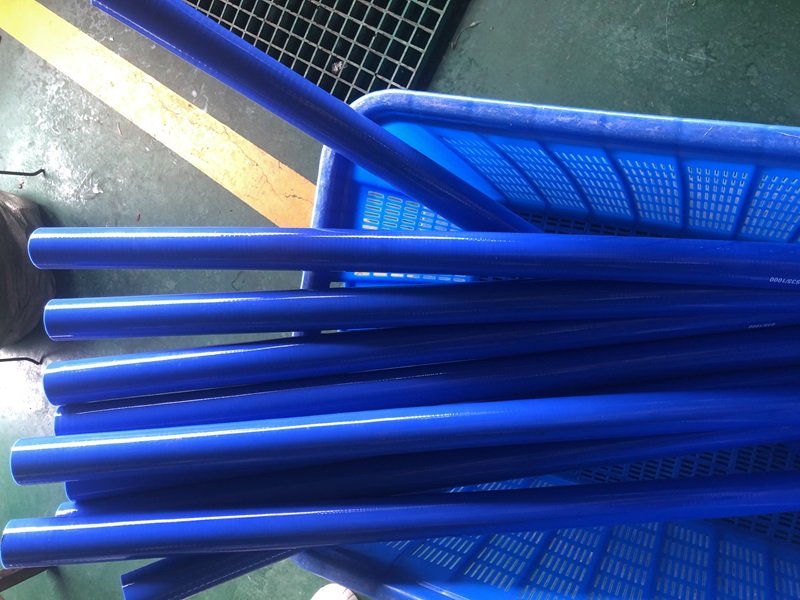
Straight silicone hoses
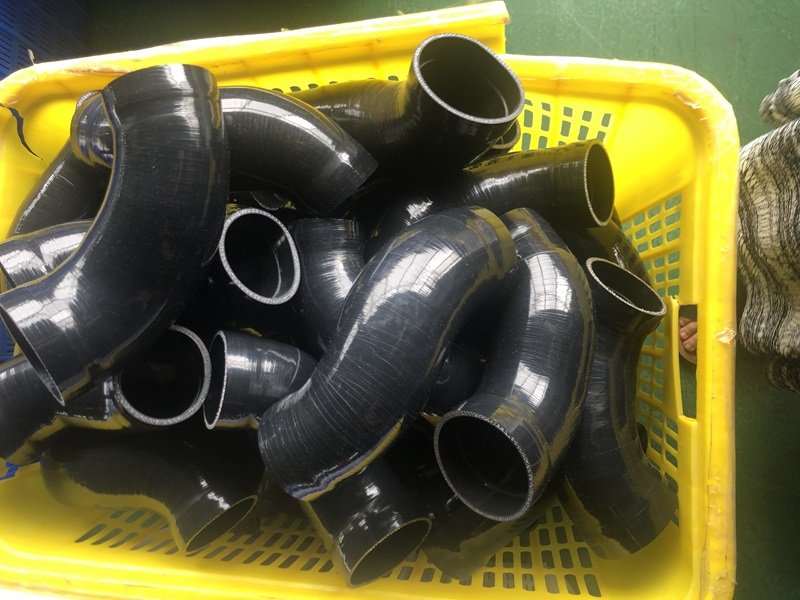
Elbow hoses
Reducer hoses
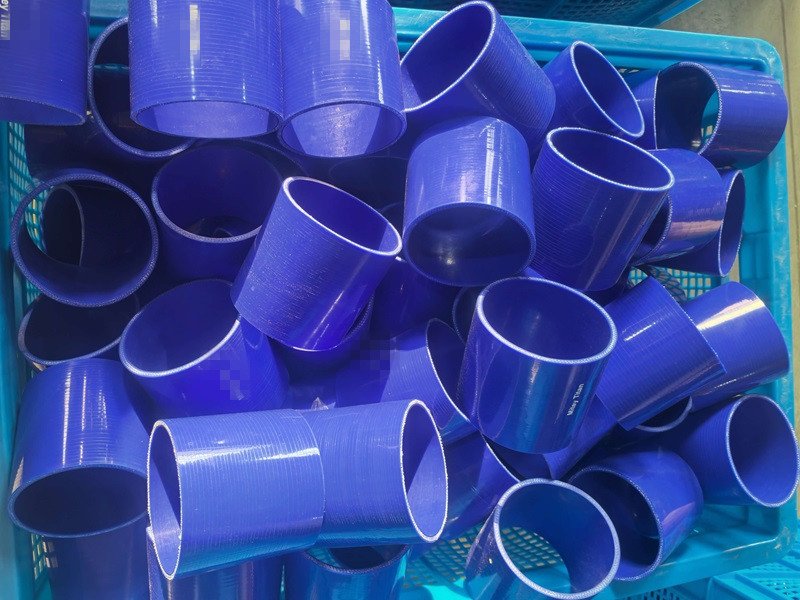
Couplers
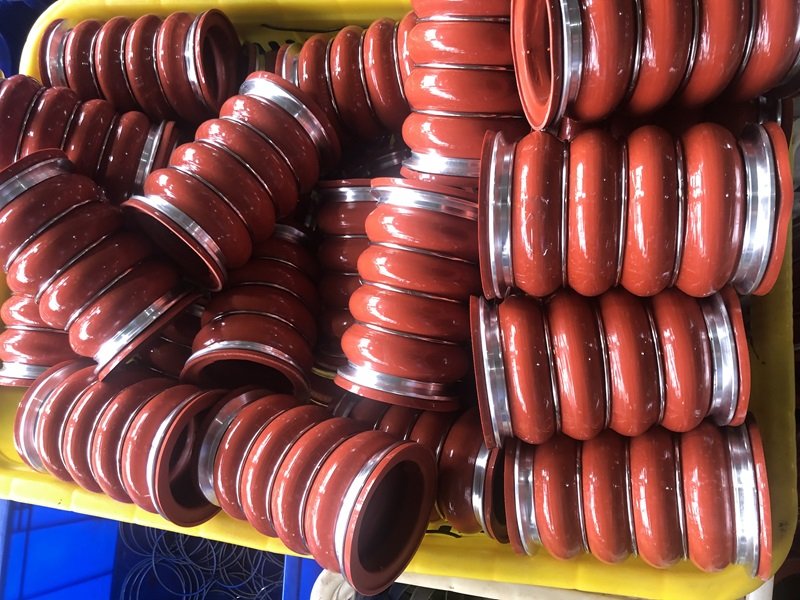
Custom-shaped hoses
Reinforced silicone tubing
Multi-layer silicone hoses
Custom dimensions and constructions can be developed according to drawings, samples or application requirements.
Can Silicone Hoses Be Customised?
Yes. Custom silicone hoses can be manufactured according to specific application requirements.
Customisation may include:
Inner diameter
Outer diameter
Wall thickness
Length
Bend angle
Shape
Number of reinforcement layers
Reinforcement material
Silicone hardness
Colour
Connection configuration
For custom development, a technical drawing or physical sample is recommended.