
Silicone Sealing Strips for Corrosion-Resistant Industrial Applications
Silicone sealing strips are widely used to protect equipment, components and products from moisture, air, dust and other external contaminants. Their combination of flexibility, temperature resistance, weather resistance and long-term stability makes silicone rubber an effective sealing material for a wide range of industrial and commercial applications.
In environments where sealing components are exposed to chemicals, humidity, temperature fluctuations, UV radiation or ozone, selecting the right sealing material is critical. Silicone sealing strips can provide reliable sealing performance when the silicone compound and product construction are correctly matched to the operating environment.
From automotive and marine equipment to electrical machinery, instrumentation and industrial appliances, silicone rubber seals are available in a variety of profiles and configurations to meet different sealing requirements.
What Is a Silicone Sealing Strip?
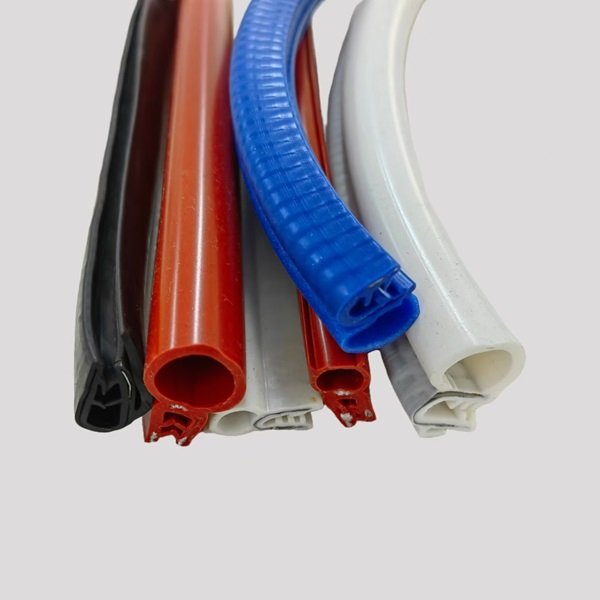
A silicone sealing strip is a flexible sealing component manufactured from silicone rubber. It is designed to close gaps between two surfaces and help prevent the passage of air, water, dust, gases or other external contaminants.
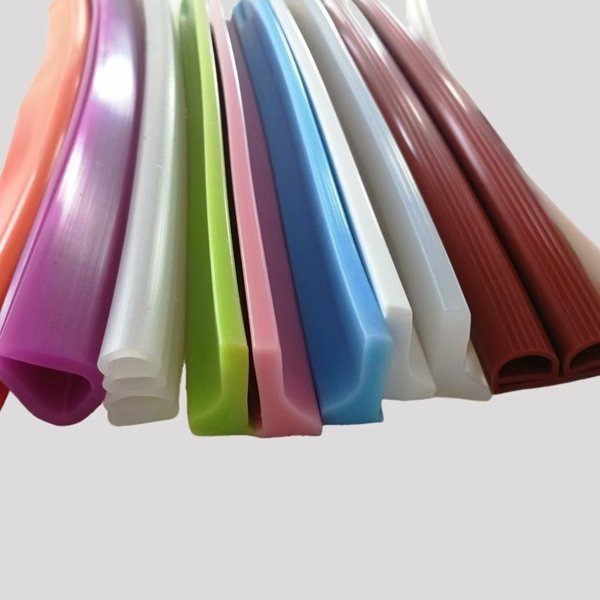
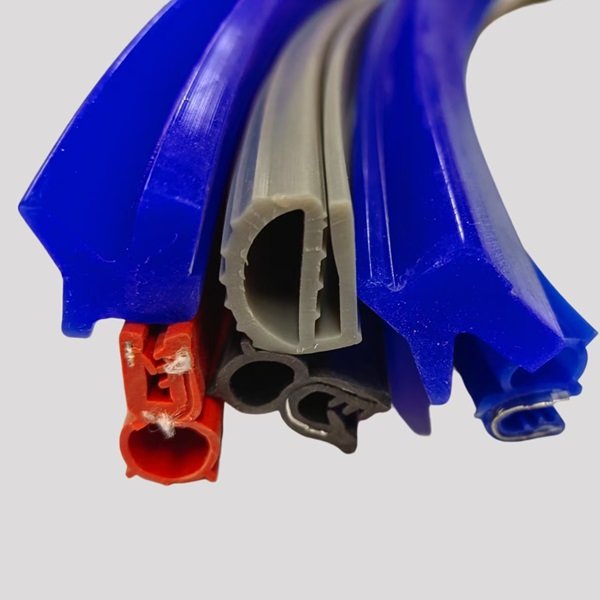
Silicone sealing strips can be produced through extrusion, molding or custom fabrication. Depending on the application, they can be supplied as continuous strips, custom profiles, gaskets, O-rings or molded sealing components.
Typical applications include:
Door and cabinet sealing
Equipment enclosure sealing
Automotive sealing systems
Marine equipment
Electrical insulation and sealing
Industrial machinery
Heating and drying equipment
Refrigeration systems
Instrumentation and control equipment
Why Do Silicone Sealing Strips Require Corrosion and Chemical Resistance?
Sealing components are often installed in environments where they are exposed to moisture, chemicals, oils, temperature changes, atmospheric pollutants and other potentially damaging factors.
A sealing material that degrades, hardens, cracks or loses elasticity may no longer provide an effective barrier.
Silicone rubber is valued for its resistance to environmental aging and its ability to maintain flexibility over a broad temperature range. It also offers good resistance to ozone, UV radiation and moisture.
However, chemical resistance should always be evaluated according to the specific medium. Silicone is not universally resistant to every chemical, fuel or oil, so the appropriate silicone formulation should be selected based on the actual application.
Key Benefits of Silicone Rubber Sealing Strips
Excellent Temperature Resistance
Silicone rubber can maintain useful flexibility and sealing performance across a wide temperature range.
Depending on the formulation and product design, many silicone sealing products can operate at approximately -50°C to +200°C.
This makes silicone sealing strips suitable for applications involving:
Heating equipment
Engine compartments
Refrigeration systems
Industrial ovens
Electrical equipment
High-temperature machinery
The exact operating temperature should be confirmed according to the manufacturer's technical specification.
Excellent UV and Ozone Resistance
Silicone rubber provides excellent resistance to UV radiation and ozone compared with many conventional elastomer materials.
This makes silicone sealing strips particularly suitable for outdoor equipment, automotive applications and products exposed to long-term environmental conditions.
Properly selected silicone seals can maintain their flexibility and sealing properties even after prolonged exposure to weathering.
Good Moisture and Water Resistance
Silicone sealing strips are widely used to create barriers against water and moisture.
They can be used for sealing:
Electrical enclosures
Control cabinets
Automotive components
Marine equipment
Refrigeration units
Industrial machinery
Doors and access panels
The final sealing performance depends not only on the material but also on compression, profile geometry, installation and joint design.
Excellent Electrical Insulation
Silicone rubber has excellent electrical insulation characteristics, making it suitable for many electrical and electronic applications.
Silicone sealing components can be used for:
Electrical insulation
Cable protection
Connector sealing
High-voltage components
Switch protection
Electrical enclosure sealing
Insulating sleeves and bushings
For high-voltage applications, the complete product design and required electrical specifications should be evaluated before material selection.
Applications of Silicone Sealing Strips
1. Automotive and Transportation Industry
The automotive industry uses silicone rubber components in applications where heat, vibration, moisture and environmental exposure are common.
Typical applications include:
Automotive sealing gaskets
Silicone hoses and seals
Spark plug boots
Electrical insulation components
Engine compartment seals
Exhaust system sealing components
O-rings and molded seals
Cooling system components
For automotive applications, the silicone compound should be selected according to temperature, pressure and contact with fluids such as coolant, oil or fuel.
Marine Applications
Marine equipment can be exposed to moisture, salt air, UV radiation and temperature fluctuations. Silicone sealing components can be used in selected marine applications where weather and aging resistance are important.
Typical applications include:
Marine equipment seals
Hydraulic system sealing components
Equipment enclosure gaskets
Pump and machinery seals
Protective sealing profiles
For seawater, fuel and hydraulic-fluid exposure, specific chemical compatibility should be confirmed before selecting silicone.
2. Electrical and Electronics Industry
Silicone rubber is widely used in electrical and electronic equipment because of its flexibility, temperature stability and electrical insulation properties.
Applications may include:
Electrical enclosure seals
Insulating sleeves
Protective covers
Connector seals
Cable seals
High-temperature electrical components
Switch protection
Electronic equipment gaskets
Silicone sealing strips can help protect sensitive components from moisture, dust and environmental contamination while maintaining electrical insulation.
3. Instrumentation and Industrial Equipment
Instrumentation and industrial equipment often require reliable sealing in environments involving temperature changes, vibration, humidity and continuous operation.
Silicone sealing products can be used for:
Instrument seals
Control equipment gaskets
Equipment enclosure seals
Shock-absorbing components
Heating equipment seals
Industrial oven door seals
Furnace sealing strips
Refrigeration equipment seals
Boiler sealing applications
Silicone hoses for cooling systems
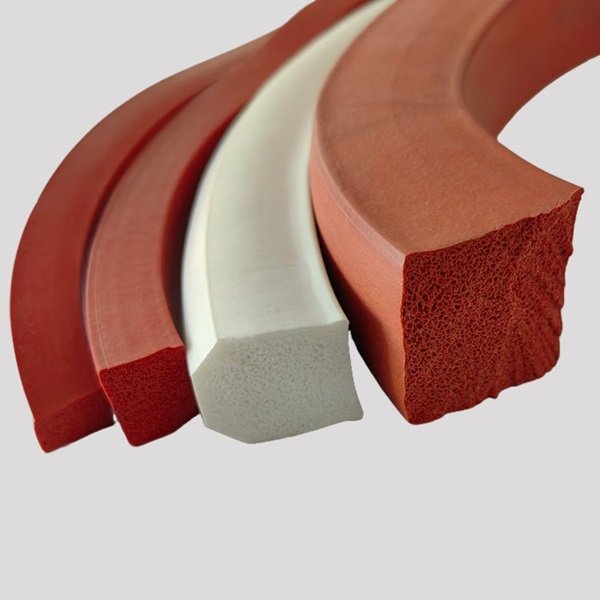
Silicone sponge and cellular silicone profiles can also be used when a soft, compressible sealing material is required.
4. Heating, Drying and Thermal Equipment
Industrial ovens, drying equipment and heating systems require sealing materials capable of handling elevated temperatures.
Silicone sealing strips can be used for:
Industrial oven doors
Drying ovens
Electric furnaces
Far-infrared heating equipment
Heating cabinets
Thermal processing equipment
Silicone sponge seals are particularly useful where a lightweight and compressible sealing profile is required.
5. Refrigeration and Cooling Systems
Silicone rubber components can be used in selected refrigeration and cooling applications where flexibility and resistance to temperature variation are important.
Typical products include:
Refrigeration unit seals
Door sealing strips
Cooling-system gaskets
Silicone hoses
Equipment enclosure seals
The silicone grade should be selected according to the refrigerant, operating temperature and other media involved.
Silicone Sealing Strip Product Options
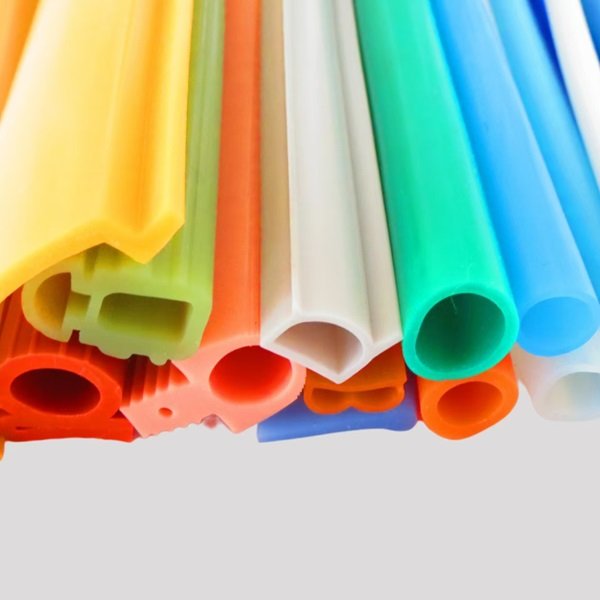
Different applications require different sealing profiles. Manufacturers can provide silicone sealing strips in various configurations, including:
Extruded Silicone Sealing Strip
Continuous silicone profiles manufactured according to a specified cross-section and supplied in rolls or cut lengths.
Silicone Sponge Sealing Strip
Lightweight and compressible sealing material suitable for doors, panels, cabinets and equipment requiring a soft sealing interface.
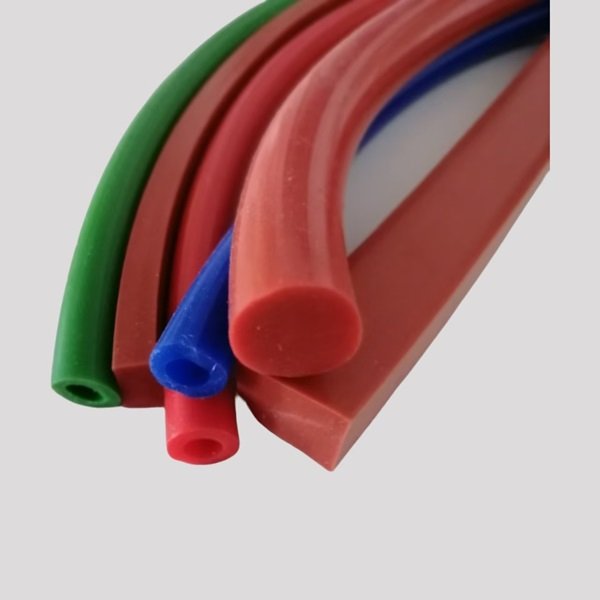
Solid Silicone Sealing Strip
Dense silicone profiles designed for applications requiring higher mechanical strength and controlled compression.
Custom Silicone Gasket
Custom-cut or molded silicone gaskets designed according to customer drawings, dimensions and equipment requirements.
Custom Silicone Profile
Special cross-sectional profiles can be developed for automotive, industrial, electrical and equipment sealing applications.
How to Choose the Right Silicone Sealing Strip?
When selecting a silicone sealing strip, several technical factors should be considered.
1. Operating Temperature
Determine the normal and peak operating temperatures of the application.
2. Chemical Exposure
Identify all liquids, gases and chemicals that may come into contact with the seal.
3. Compression Requirements
The required compression force and sealing gap should be considered when selecting the profile and hardness.
4. Environmental Conditions
Consider exposure to:
UV radiation
Ozone
Moisture
Salt spray
Dust
Outdoor weather
Temperature cycling
5. Hardness
Silicone sealing strips are available in different hardness levels to accommodate different compression and sealing requirements.
6. Profile and Dimensions
The cross-sectional shape, width, thickness and installation groove should match the equipment design.
7. Certification Requirements
For electrical, food, medical or other regulated applications, the required certifications and material grades should be confirmed before production.
Custom Silicone Sealing Solutions
For industrial and OEM applications, standard sealing strips may not always provide the required fit or performance.
Custom silicone sealing products can be developed according to:
Customer drawings
CAD files
Sample profiles
Cross-sectional dimensions
Required hardness
Temperature requirements
Chemical exposure
Color requirements
Length requirements
Installation conditions
Custom extrusion and molding allow silicone sealing components to be adapted to specific equipment and sealing structures.
Conclusion
Silicone sealing strips provide a versatile solution for applications requiring flexibility, temperature resistance, weather resistance and reliable environmental sealing.
They are widely used across the automotive, marine, electrical, electronics, instrumentation and industrial equipment sectors. With different silicone compounds, hardness levels, reinforcement options and profile designs available, silicone seals can be tailored to meet a broad range of operating requirements.
For applications involving aggressive chemicals, fuel, oil or other specialized media, material compatibility should be evaluated before selecting a silicone sealing product.
Silicone Sealing Strip FAQ
1. What are silicone sealing strips used for?
Silicone sealing strips are used to seal gaps and protect equipment from air, water, dust, moisture and environmental contaminants. They are commonly used in automotive, electrical, marine, industrial and equipment applications.
2. Are silicone sealing strips resistant to corrosion?
Silicone rubber offers excellent resistance to environmental aging, ozone, UV radiation and moisture. It also provides good resistance to many chemicals. However, silicone is not universally resistant to all chemicals, so compatibility should be checked for the specific application.
3. What temperature can silicone sealing strips withstand?
Depending on the silicone formulation and construction, many silicone sealing strips can operate from approximately -50°C to +200°C. Specialized compounds may offer different temperature capabilities.
4. Can silicone seals be used outdoors?
Yes. Silicone has excellent resistance to UV radiation, ozone and weathering, making it suitable for many outdoor sealing applications.
5. Are silicone sealing strips suitable for automotive applications?
Yes. Silicone sealing strips and molded silicone seals are widely used in automotive applications involving heat, vibration, moisture and environmental exposure.
6. Can silicone sealing strips be used in electrical equipment?
Yes. Silicone rubber provides excellent electrical insulation and can be used for electrical enclosure seals, insulating sleeves, cable protection and other electronic components.
7. Is silicone resistant to oil and fuel?
Standard silicone is not the ideal choice for continuous exposure to many fuels and oils. If the application involves oil, fuel or aggressive chemicals, the material should be specifically evaluated for compatibility.
8. Can silicone sealing strips be customized?
Yes. Silicone sealing strips can be customized in terms of profile, dimensions, hardness, color, length and material formulation. Custom extrusion and molded silicone gaskets are also available.
9. What is the difference between solid silicone and silicone sponge sealing strips?
Solid silicone provides a denser and generally stronger sealing profile, while silicone sponge is softer, lighter and more compressible. The appropriate option depends on the sealing gap, compression requirements and application environment.
10. Which industries use silicone sealing strips?
Major application sectors include automotive, marine, electrical and electronics, instrumentation, industrial machinery, refrigeration, heating equipment and general industrial applications.