
High-Performance Silicone Hose for Automotive and Industrial Applications
Silicone hose is a flexible and durable tubing solution designed for applications that require excellent temperature resistance, flexibility and long-term performance. Manufactured from high-quality silicone rubber and available with multiple reinforcement layers, silicone hoses are widely used in automotive, motorsport, industrial, marine and fluid-transfer systems.
Compared with many conventional rubber hoses, silicone hose offers excellent resistance to high and low temperatures, ozone, UV exposure and weather aging. Reinforced silicone hose can also provide improved strength and pressure resistance for demanding applications.
Depending on the silicone compound, reinforcement structure and application requirements, silicone hoses can be customized for different temperature, pressure, size and fluid-transfer conditions.
What Is a Silicone Hose?
A silicone hose is a flexible tube manufactured from silicone rubber. For applications requiring higher mechanical strength and pressure resistance, the hose can be constructed with multiple layers of polyester, aramid or other reinforcing fabrics.
The combination of silicone rubber and reinforcement provides a balance of flexibility, durability and temperature performance.
Silicone hoses are commonly used for:
Coolant and water transfer
Automotive radiator systems
Turbocharger and intercooler systems
Air intake and ventilation systems
Industrial cooling systems
Marine engines and equipment
Pumps and fluid-transfer equipment
Food and pharmaceutical processing, when the appropriate certified silicone material is specified
Key Product Features of Silicone Hose
1. Wide Operating Temperature Range
Silicone rubber performs well across a wide temperature range. Depending on the material formulation and hose construction, many silicone hoses are suitable for continuous service from approximately -50°C to +180°C or +200°C.
Specialized silicone compounds can be designed for higher-temperature applications, with certain products capable of handling short-term peak temperatures of approximately 250°C or higher.
The actual temperature rating should always be confirmed according to the specific hose construction, pressure, media and operating conditions.
2. Reinforced Construction
For demanding applications, reinforced silicone hose can incorporate multiple layers of textile reinforcement.
Common reinforcement materials include:
Polyester fabric
Aramid fiber
High-strength textile reinforcement
Other application-specific reinforcement materials
Multi-ply construction improves dimensional stability, burst strength and pressure resistance while maintaining the flexibility required for installation.
3. Excellent Weather and Aging Resistance
Silicone rubber provides excellent resistance to environmental aging. It performs well when exposed to:
UV radiation
Ozone
Weathering
Moisture
Temperature fluctuations
This makes silicone hose suitable for applications where long-term outdoor or engine-compartment exposure is expected.
4. Excellent Coolant and Water Resistance
Silicone coolant hoses are widely used in automotive and industrial cooling systems because silicone rubber provides good resistance to water and many commonly used coolant solutions.
For specialized fluids such as fuel, oils or aggressive chemicals, the hose material should be selected based on the exact fluid and operating conditions. Standard silicone hose should not automatically be considered suitable for continuous fuel or oil service.
5. Flexible and Easy to Install
Silicone hose remains flexible over a broad temperature range, helping simplify routing and installation in confined spaces.
Different shapes and constructions can also be produced, including:
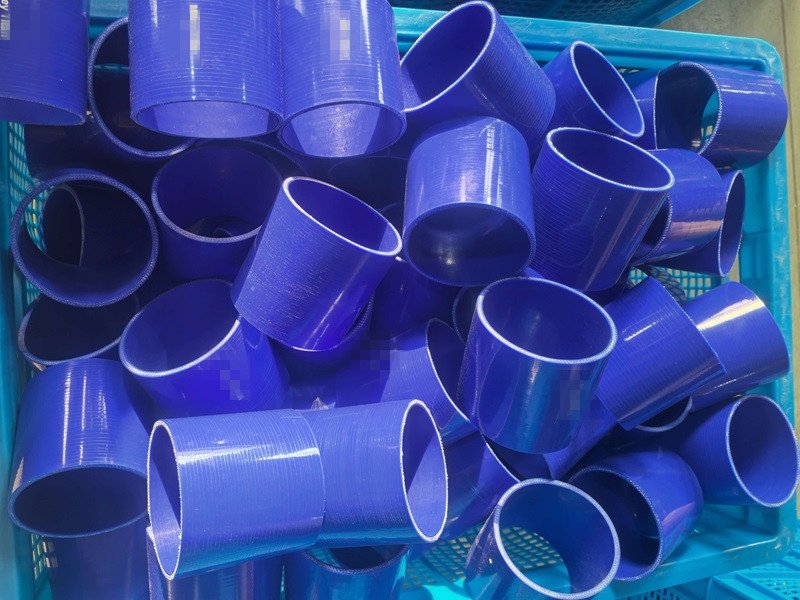
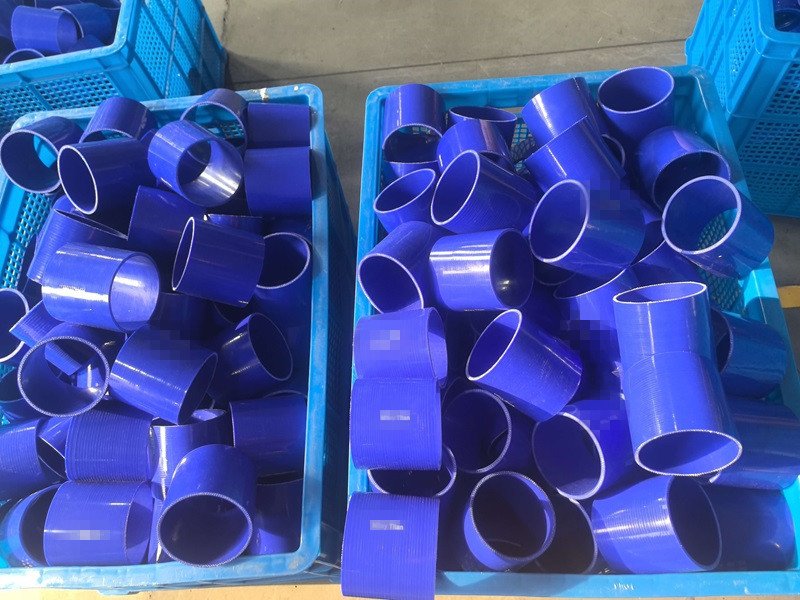
Straight silicone hose
Elbow silicone hose
Reducer silicone hose
Coupler silicone hose
Custom-shaped silicone hose
Multi-layer reinforced hose
Silicone Hose Temperature Resistance
Temperature performance is one of the key reasons silicone hose is selected for demanding applications.
Typical silicone hose temperature specifications may include:
| Product Type | Typical Temperature Range* |
|---|---|
| Standard Silicone Hose | Approx. -50°C to +180°C |
| High-Temperature Silicone Hose | Approx. -50°C to +200°C |
| Specialized High-Temperature Hose | Up to approximately 250°C or higher |
*Actual performance depends on the silicone formulation, reinforcement, pressure, media and application. Always refer to the manufacturer's technical specification before selecting a hose.
Silicone hoses are particularly useful in engine compartments, cooling systems and other environments where temperatures can fluctuate significantly.
Reinforced Silicone Hose for High-Performance Applications
For automotive and industrial systems that operate under pressure, reinforced silicone hose provides additional structural strength.
A typical reinforced hose may consist of:
Silicone Inner Layer + Textile Reinforcement + Silicone Outer Layer
The number and type of reinforcement layers can be adjusted according to the required working pressure, temperature and flexibility.
For motorsport, turbocharger and high-performance applications, aramid-reinforced silicone hose can be considered when higher mechanical strength and temperature performance are required.
Common Applications of Silicone Hose
Automotive Silicone Hose
Automotive silicone hoses are commonly used in:
Radiator coolant systems
Engine cooling systems
Heater lines
Air intake systems
Intercooler piping
Turbocharger systems
Charge-air systems
Vacuum and air applications
Silicone radiator hose and silicone coolant hose are especially popular in performance vehicles and modified automotive applications.
Motorsport and Performance Vehicles
High-performance engines can generate significant heat and pressure. Reinforced silicone hose can provide a reliable connection between components while maintaining flexibility and resistance to engine-compartment temperatures.
Typical applications include turbocharger and intercooler systems, coolant circuits and charge-air connections.
Industrial Applications
Industrial silicone hoses can be used for water, air and coolant transfer in equipment such as:
Generators
Pumps
Compressors
Industrial machinery
Power equipment
Cooling systems
The correct hose construction should be selected according to pressure, temperature and fluid compatibility.
Marine Applications
Silicone hoses can also be used in marine cooling and fluid-transfer systems where resistance to heat, moisture, ozone and environmental aging is important.
Food and Laboratory Applications
Platinum-cured silicone tubing can be manufactured for applications requiring high purity and low contamination. Depending on the intended use, food-grade or pharmaceutical-grade silicone should be specified together with the appropriate certification.
Silicone Hose Specifications and Custom Options
Different applications require different hose specifications. A professional silicone hose manufacturer can provide customized solutions based on the following requirements:
Product Attributes
Material: Silicone rubber
Reinforcement: Polyester, aramid or application-specific fabric
Color: Commonly blue, black, red and other custom colors
Temperature: Typically approximately -50°C to +180°C/+200°C, depending on construction
High-temperature option: Specialized grades available
Inner Diameter: Customized according to application
Wall Thickness: Application-specific
Length: Standard or custom length
Shape: Straight, elbow, reducer, coupler or custom molded
Pressure Rating: Dependent on diameter, wall thickness and reinforcement
Surface: Smooth or application-specific finish
Application: Automotive, motorsport, industrial, marine and other systems
How to Choose the Right Silicone Hose?
Before purchasing a silicone hose, several factors should be considered.
1. Determine the Inner Diameter
Measure the connection or pipe outside diameter and select the appropriate hose inner diameter to ensure a secure fit.
2. Check the Operating Temperature
Consider both the normal operating temperature and possible peak temperature.
3. Confirm Working Pressure
For pressurized applications, choose a hose with an appropriate reinforcement structure and working-pressure rating.
4. Identify the Fluid or Medium
Confirm compatibility with the fluid being transferred. Water and coolant applications are generally well suited to silicone, while fuel, oil and certain chemicals may require alternative materials or specialized constructions.
5. Select the Appropriate Reinforcement
For higher-pressure applications, additional reinforcement layers or high-strength materials such as aramid fiber may be required.
6. Consider the Installation Environment
UV exposure, ozone, vibration, engine movement and available installation space can all affect hose selection.
Why Choose Reinforced Silicone Hose?
Reinforced silicone hose combines the flexibility of silicone rubber with the strength of textile reinforcement.
Its main advantages include:
Wide temperature operating range
Excellent flexibility
Good resistance to UV and ozone
Good resistance to weather aging
Suitable for water and coolant applications
Multiple reinforcement options
Custom sizes and shapes available
Suitable for automotive and industrial applications
Long service life when correctly specified and installed
For demanding applications, selecting the correct silicone compound and reinforcement structure is essential to achieving reliable performance.
Silicone Hose FAQ
1. What temperature can silicone hose withstand?
Many silicone hoses are designed for continuous operating temperatures of approximately -50°C to +180°C or +200°C, depending on the product construction. Specialized high-temperature silicone hoses can withstand higher temperatures. Always check the manufacturer's specification for the exact product.
2. Is silicone hose suitable for automotive coolant?
Yes. Silicone coolant hose is widely used for automotive radiator and cooling systems because silicone provides good resistance to water, coolant, heat, ozone and UV aging.
3. Can silicone hose be used for turbocharger systems?
Yes. Reinforced silicone hose is commonly used for turbocharger, intercooler and charge-air applications. The hose should be selected according to the required temperature and pressure rating.
4. Is silicone hose suitable for fuel or oil?
Standard silicone hose is generally not recommended for continuous fuel or oil exposure. If the application involves fuel, oil or aggressive chemicals, a material specifically designed for that medium should be selected.
5. What is reinforced silicone hose?
Reinforced silicone hose consists of silicone rubber combined with one or more layers of textile reinforcement. The reinforcement improves strength, dimensional stability and pressure resistance.
6. What reinforcement materials are available?
Common reinforcement materials include polyester and aramid fibers. The appropriate reinforcement depends on the required temperature, pressure, flexibility and application.
7. Can silicone hose be customized?
Yes. Silicone hoses can be customized in terms of inner diameter, wall thickness, length, color, number of reinforcement layers and shape. Custom elbows, reducers and molded hose assemblies can also be produced for specific applications.
8. How long does a silicone hose last?
Service life depends on temperature, pressure, fluid compatibility, installation conditions and operating environment. Correctly specified silicone hoses can provide long-term service, particularly in applications involving heat, UV and ozone exposure.