
For customized rubber R&D and quality control scenarios, the technical department has developed an on-site simplified simulation testing method that fully replicates the core judging criteria of UL94-V0. The operating specifications are as follows:
Sample Preparation
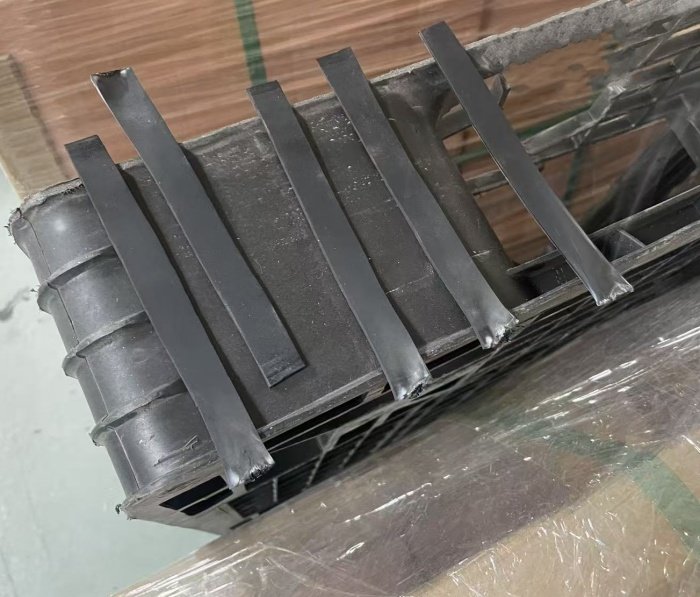
Prepare 5 rubber test specimens of uniform specifications for each group, ensuring their thickness and material composition are identical to mass-produced finished goods.
Ignition Procedure
Use a standard lighter as the flame source to ignite the vertical bottom end of a single specimen. Remove the flame after continuous ignition for 10 seconds. Once the specimen stops burning completely, wait for a 30-second interval before conducting a second 10-second ignition.
Core Judgment Criteria
After the flame is removed following both ignition cycles, the flame on each specimen must self-extinguish within 10 seconds, with no sustained combustion and no ignitable molten drips. Only if all 5 specimens pass the above requirements can the material be preliminarily judged to possess the basic performance to meet UL94-V0 rating.
The technical supervisor stated that this simplified test is not a replacement for official certification issued by third-party accredited laboratories, and only serves as an internal pre-screening tool. During the R&D phase of formulating halogen-free flame-retardant EPDM, silicone rubber, HNBR and other materials, formulations with substandard flame retardancy can be eliminated quickly. In incoming material inspection and mass sample confirmation processes, non-compliant materials can be screened in advance to avoid risks such as mold rework, failed sample approval and export returns caused by unqualified flame retardant performance.
Custom rubber parts complying with both halogen-free and UL94-V0 standards present prominent advantages compared with conventional halogen-containing rubber. On one hand, they comply with EU REACH regulations on Substances of Very High Concern (SVHC). Free of halogens, they will not release toxic and corrosive fumes when burning, making them ideal for high-safety applications including new energy vehicle battery packs, electronic control PMU modules and agricultural machinery electrical control seals. On the other hand, the products deliver stable flame retardancy and self-extinguish rapidly under high-temperature or short-circuit fire conditions, greatly improving the fire safety index of end equipment — this serves as a key competitive advantage favored by overseas automotive and industrial buyers.
At present, this simplified flame retardant self-inspection procedure has been incorporated into the company’s standardized quality control manual. When sales staff handle inquiries from EU customers such as those from Poland and Germany, they can demonstrate our internal flame retardant verification process to buyers, visually showcasing the factory’s quality management capabilities and strengthening customer trust for cooperation. Moving forward, the technical team will keep optimizing the halogen-free flame-retardant rubber formulation system and complete full sets of third-party UL test reports and REACH material certification documents. Leveraging our mature supporting capacity for flame-retardant materials, we will further expand the export market of customized seals for new energy vehicles and high-end agricultural machinery.